 Virtual
Created by software, not extra cables
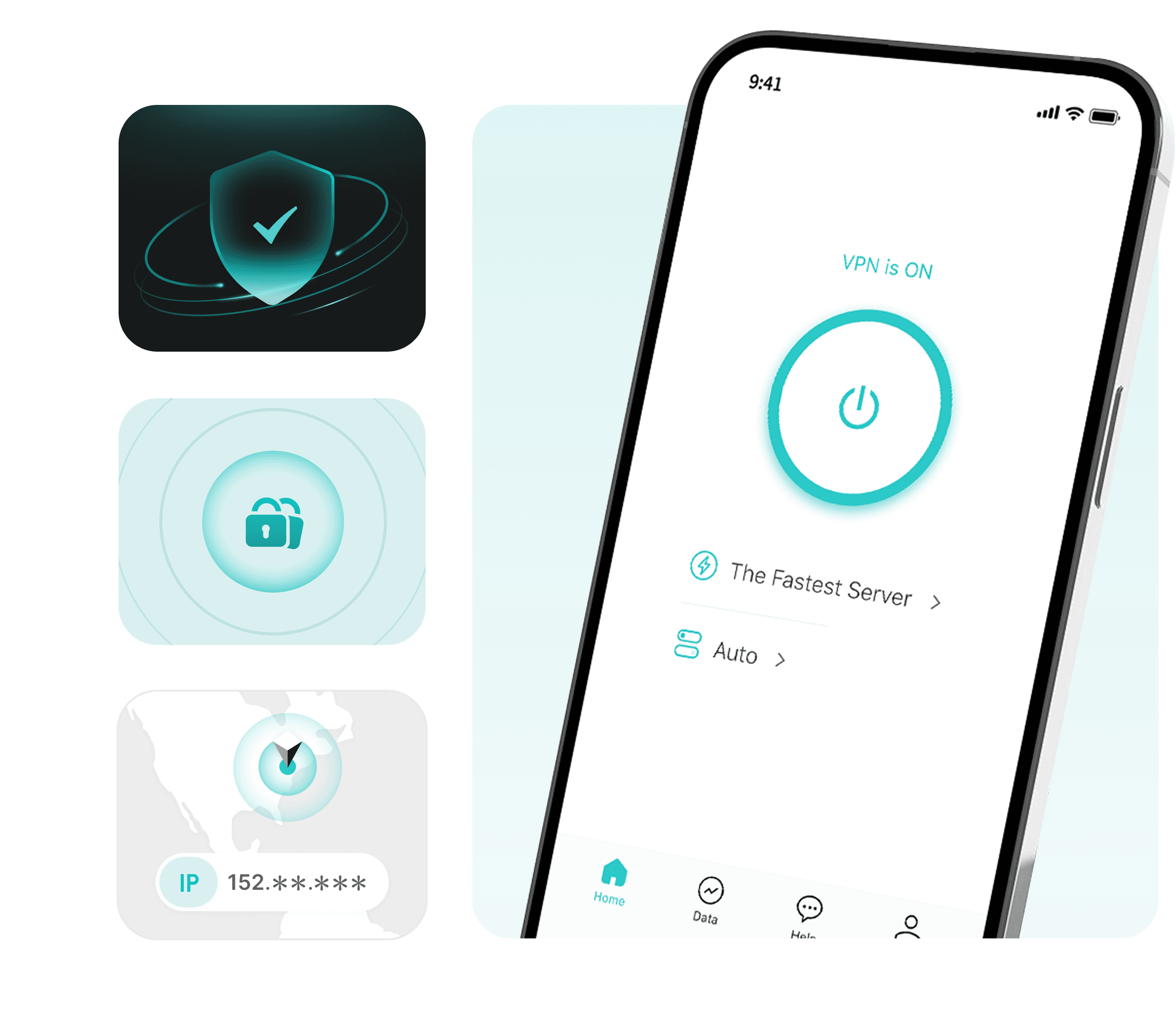
A Virtual Private Network (VPN) is a cybersecurity tool that encrypts your internet connection and masks your IP address. This creates a private 'tunnel' for your data, protecting your identity from hackers, ISPs, and surveillance while allowing you to access blocked content.
Get X-VPN'%3e%3cpath%20d='M13.8212%209.29993V4.07221C13.8212%203.85379%2013.6908%203.65647%2013.4899%203.57079C10.6213%202.34754%207.37788%202.34754%204.50933%203.57079C4.30842%203.65647%204.17804%203.85379%204.17804%204.07221V9.30167C4.17804%2011.2297%205.69708%2012.8364%208.9996%2014.1209C12.3031%2012.8356%2013.8212%2011.228%2013.8212%209.29993ZM2.97358%209.30254V3.72632C2.97358%203.16149%203.32134%202.65497%203.84844%202.45202C7.16394%201.17551%2010.8359%201.17563%2014.1514%202.45197C14.6786%202.65492%2015.0265%203.16157%2015.0265%203.72649V9.29993C15.0265%2011.8794%2013.0176%2013.9012%208.9996%2015.3646C4.98164%2013.9012%202.97266%2011.8794%202.97266%209.30167L2.97358%209.30254Z'%20fill='%23363B3B'%20stroke='%23363B3B'%20stroke-width='0.1'/%3e%3cpath%20d='M9.61914%204.05176V5.38477H11.2861V6.61816H7.66895C7.56746%206.61825%207.47024%206.65874%207.39844%206.73047C7.32655%206.80236%207.28613%206.90029%207.28613%207.00195C7.28623%207.10348%207.32664%207.20066%207.39844%207.27246C7.47025%207.34426%207.56741%207.38468%207.66895%207.38477H10.3359C10.7647%207.38477%2011.1763%207.55521%2011.4795%207.8584C11.7826%208.16156%2011.9521%208.57328%2011.9521%209.00195C11.952%209.43044%2011.7824%209.84147%2011.4795%2010.1445C11.1763%2010.4477%2010.7647%2010.6182%2010.3359%2010.6182H9.61914V11.9512H8.38574V10.6182H6.71973V9.38477H10.3359C10.4376%209.38477%2010.5355%209.34435%2010.6074%209.27246C10.679%209.20069%2010.7196%209.10334%2010.7197%209.00195C10.7197%208.90038%2010.6792%208.80234%2010.6074%208.73047C10.5355%208.65858%2010.4376%208.61816%2010.3359%208.61816H7.66895C7.24031%208.61808%206.82947%208.44762%206.52637%208.14453C6.22327%207.84144%206.05283%207.43058%206.05273%207.00195C6.05273%206.57319%206.22318%206.16158%206.52637%205.8584C6.82946%205.55538%207.24036%205.38485%207.66895%205.38477H8.38574V4.05176H9.61914Z'%20fill='%23363B3B'%20stroke='white'%20stroke-width='0.1'/%3e%3c/g%3e%3cdefs%3e%3cclipPath%20id='clip0_2629_47579'%3e%3crect%20width='16'%20height='16'%20fill='white'%20transform='translate(1%200.416016)'/%3e%3c/clipPath%3e%3c/defs%3e%3c/svg%3e) 30-Day Money Back 100% success
30-Day Money Back 100% success
 Virtual
Created by software, not extra cables
 Private
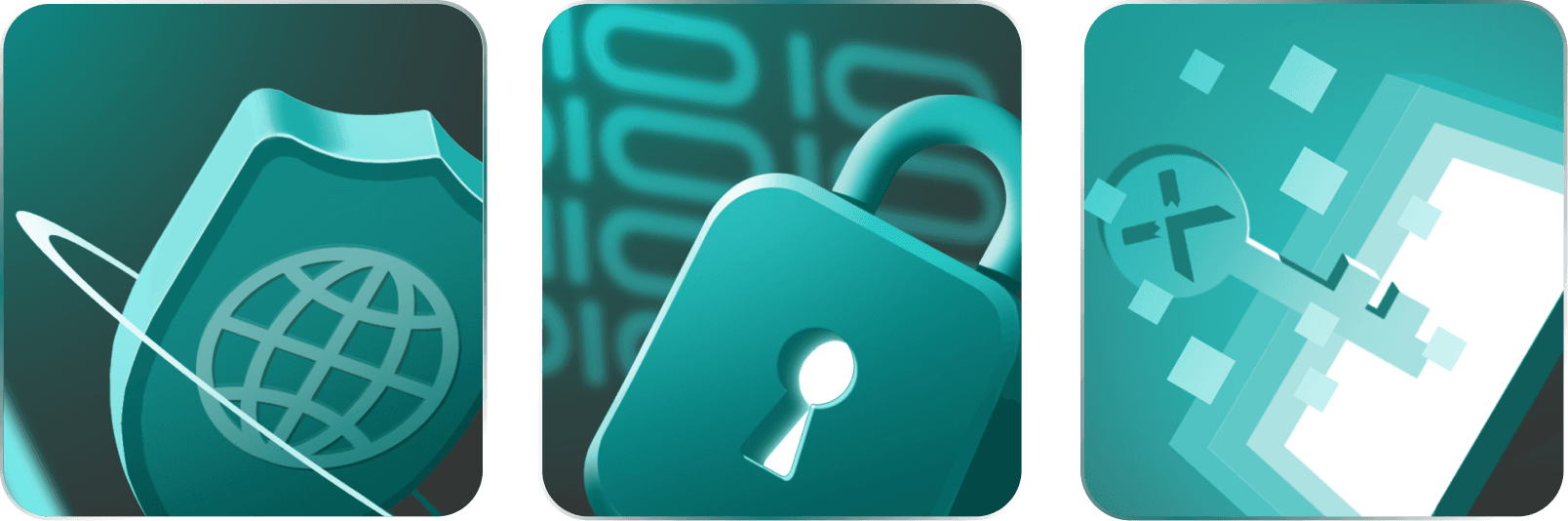
Your data is encrypted and hidden from others.
 Network
A secure link between your device and the internet.
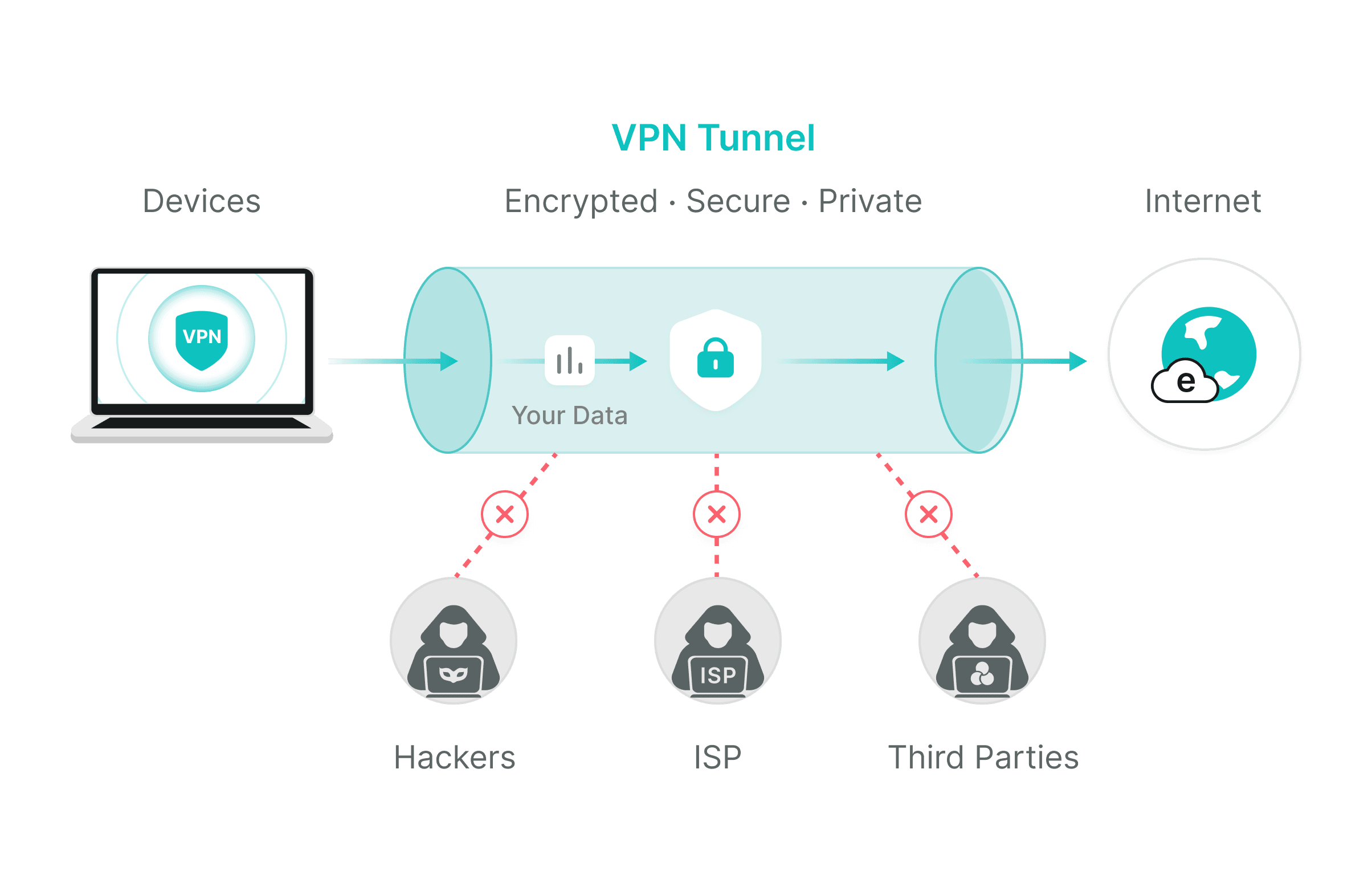
When you connect to X-VPN, the app immediately encrypts your internet traffic on your device using bank-grade AES-256 encryption. Think of it as putting your data inside an armored, locked briefcase before it ever enters the public internet.

Your encrypted data travels through a secure VPN tunnel. To the outside world—like your Internet Service Provider (ISP) or hackers on public Wi-Fi—your activity just looks like scrambled, unreadable code. They can see you are connected, but they cannot see what you are doing.

Your data reaches an X-VPN server in a location of your choice. The server decrypts your request and forwards it to the final website. The website sees the VPN server’s IP address instead of yours, keeping your real location and identity hidden.

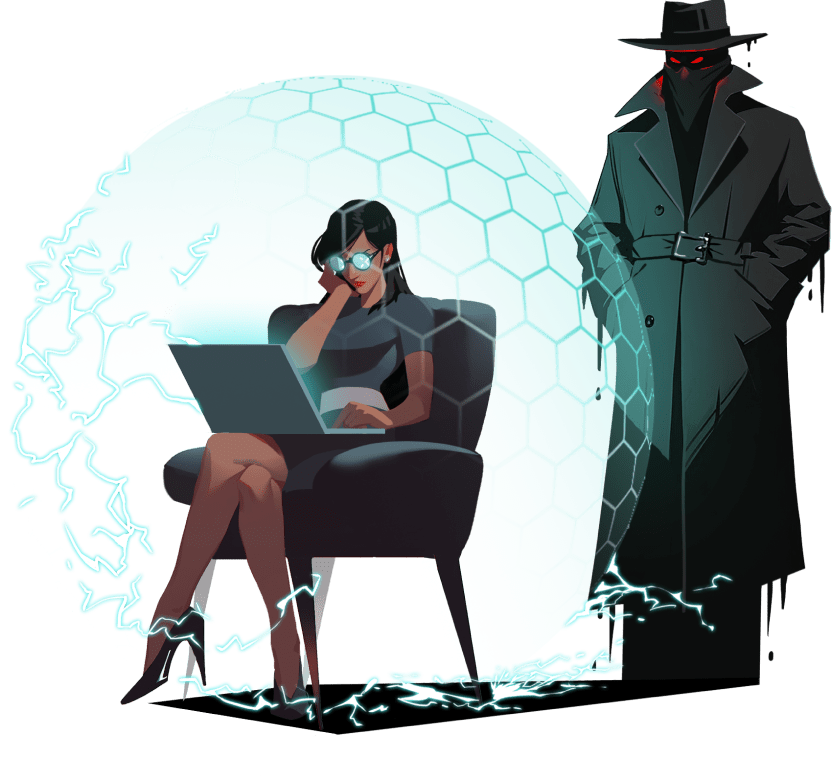
A VPN acts as a digital shield for your data. It protects your online privacy by masking your real IP address and encrypting your internet traffic.
While many people associate VPNs solely with privacy, they offer a wide range of practical benefits for everyday internet use.
From saving money on travel to protecting your digital identity, here are the most common reasons to switch one on:

Coffee shops, airports, and hotels often provide free Wi-Fi, but these networks are rarely secure. Hackers can easily intercept data transferred over these open connections. A VPN encrypts your data before it leaves your device, turning sensitive information—like passwords and credit card numbers—into unreadable code, keeping you safe even on "risky" networks.

Without a VPN, your Internet Service Provider (ISP) can see every website you visit, often selling that data to advertisers. By masking your IP address and routing your traffic through a private server, a VPN prevents your ISP from tracking your browsing habits, ensuring your digital footprint remains yours alone.

Many e-commerce sites, airlines, and car rental agencies use dynamic pricing based on your location. By using a VPN to change your virtual location to a different region or country, you can often find significantly cheaper prices for the exact same flights or hotels.

Whether you are traveling abroad or living in a region with strict restrictions, a VPN helps you overcome them. It allows you to access your home streaming libraries, news outlets, and social media platforms securely, ensuring the internet remains open and accessible regardless of your physical location.

ISPs often slow down (throttle) your connection speed if they detect high-bandwidth activities like 4K streaming or torrenting. Because a VPN hides the type of traffic you are sending, your ISP cannot discriminate against specific activities, helping you maintain consistent speeds and avoid buffering.

For gamers, a VPN protects against Distributed Denial of Service (DDoS) attacks by hiding your true IP address from malicious opponents. Additionally, connecting to a VPN server closer to the game server can sometimes reduce ping and lag.
If you ever use public Wi-Fi, care about your privacy, or want to access content from anywhere — the answer is probably yes. A VPN keeps you protected, no matter where you are.
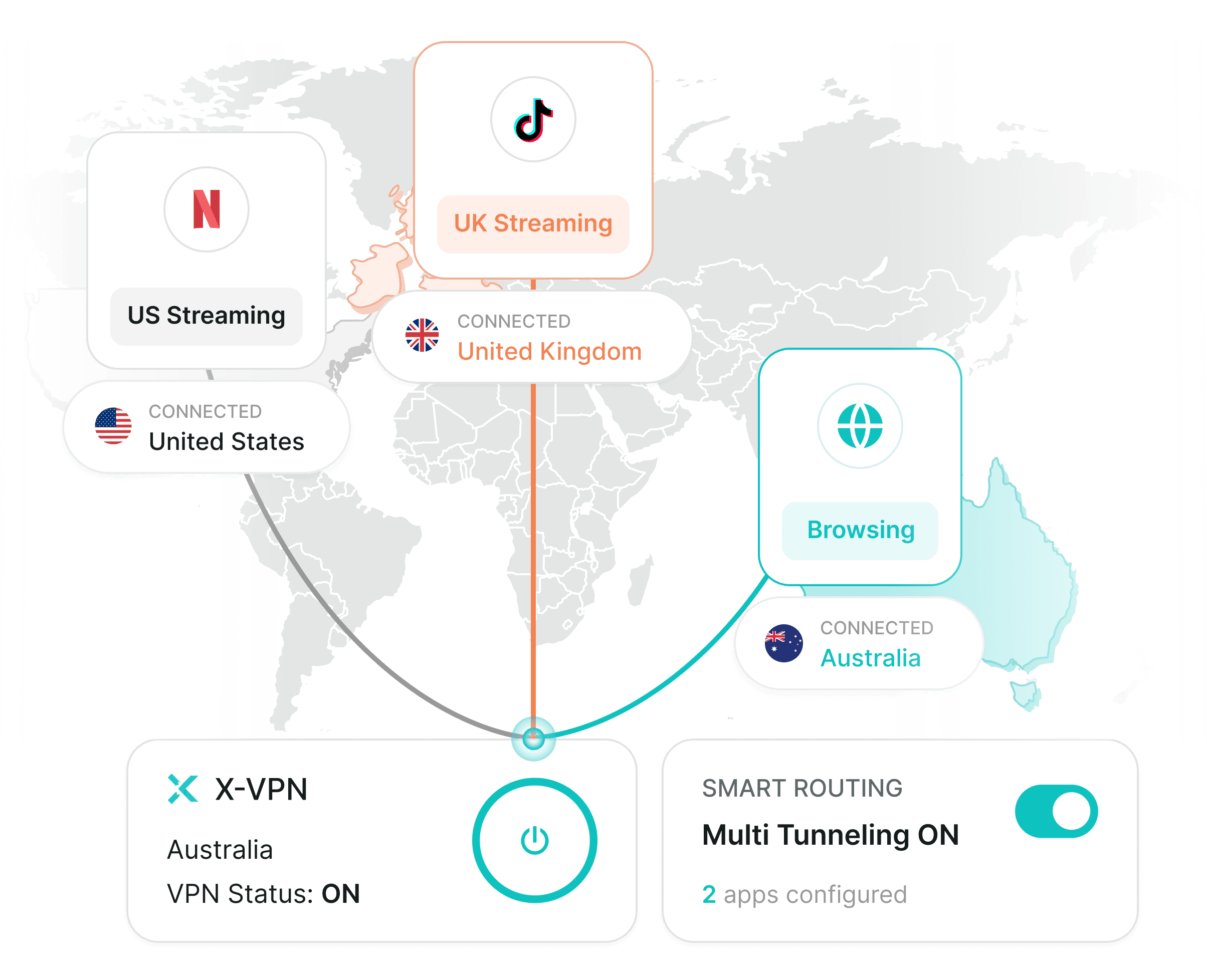
Find out if a VPN is right for youX-VPN is powerful and easy to use. We are the first to offer VPN multi-tunneling, which lets you route different traffic through separate VPN connections. With a single X-VPN app, you can connect Netflix to a U.S. server, TikTok to a UK server, and more.
30-Day Money Back 100% success
A VPN tunnel is the secure, encrypted connection created between your device and the internet when using a VPN. It “tunnels” your data through a private pathway, hiding it from hackers, internet service providers (ISPs), and other third parties—keeping your online activity private and protected.
While VPNs are designed to improve your online privacy and security by encrypting your data and hiding your IP address, they’re not a magic bullet. The safety of a VPN depends on how it's used and which VPN provider you choose.

Many free VPNs make money through tracking and advertising, which can undermine the privacy they claim to offer. Learn more in our free vs paid VPN comparison.

Even with encryption, your data still passes through the VPN’s servers. If the provider logs or sells your data, your privacy is at risk. Learn how to choose a trustworthy VPN.
'%3e%3cpath%20d='M6.5%2017.5C6.5%2017.9%207.83333%2019.6667%208.5%2020.5L16%2021L23.5%2017L25%208.5L19.5%208L11.5%2011.5C9.83333%2013.3333%206.5%2017.1%206.5%2017.5Z'%20fill='%230EC2C0'/%3e%3c/g%3e%3c/svg%3e)
VPNs headquartered in countries with weak privacy laws or under surveillance alliances (like Five Eyes) may be compelled to share data.

Poorly configured VPNs or outdated protocols can still expose your data to cyberattacks.
Now that you’ve seen the benefits of using a VPN, why not give it a try?
With X-VPN, getting started is easy—fast, secure, and private browsing is just one tap away.


 Money-Back Guarantee
Get fast, private access with X-VPN today. If you’re not 100% satisfied, contact us and we’ll give you a full refund.
 Note: Refunds are subject to our Terms of Service.

© LIGHTNINGLINK NETWORKS PTE. LTD. All Rights Reserved
